



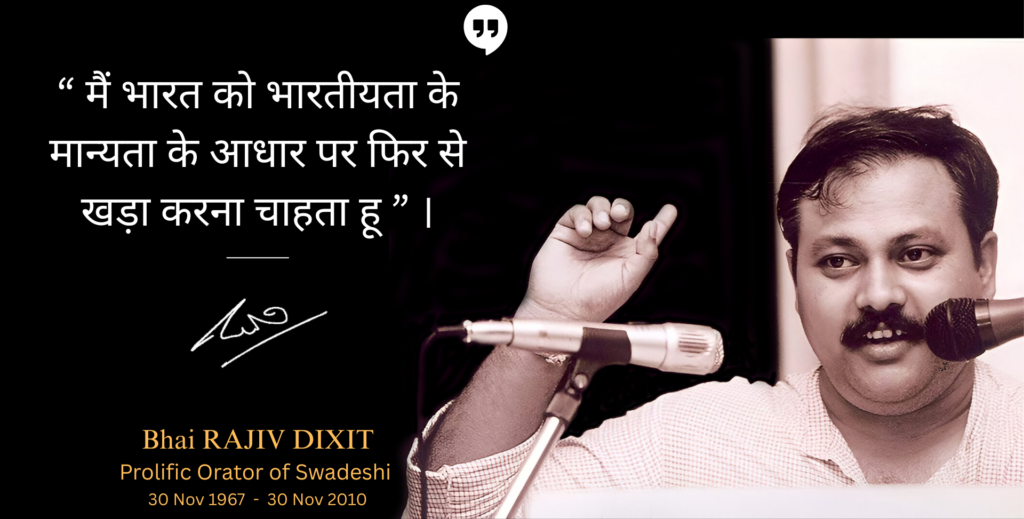
Rajiv Dixit spent years reviving age-old Ayurvedic wisdom from texts like Vagbhata’s Ashtanga Hridaya, translating them into simple, practical habits for everyday Indian households. At Vagbhatt Ayurved, we believe these time-tested principles are just as relevant today as they were centuries ago. Here are 10 of the most powerful health tips inspired by his teachings.
1. Drink Warm Water, Not Cold
Cold water is said to slow digestion and dampen the body’s natural digestive fire (Agni). Ayurveda favors warm water and warm beverages like ginger tea throughout the day to support digestion. Try starting your morning with a glass of warm water.
2. Never Drink Water Right After a Meal
A core rule often repeated is to avoid drinking water for about an hour after eating, and to sip water slowly rather than gulping it. This is believed to protect the digestive process.
3. Eat Your Biggest Meal Early in the Day
Another widely shared principle is to consume the larger portion of your daily food earlier in the day, when digestive fire is naturally stronger — rather than loading up at dinner.
4. Practice Oil Pulling for Oral Health
Oil pulling — swishing oil in the mouth — is emphasized as an important practice for oral hygiene, alongside natural habits like tongue scraping.
5. Choose Fresh, Whole Foods Over Processed Ones
Fresh, home-cooked meals are considered the real foundation of good health, while packaged and refined foods loaded with preservatives, trans fats, and hidden sugar or salt are best avoided.
6. Use Traditional Cold-Pressed Oils
Cold-pressed, unrefined oils such as mustard, sesame, or groundnut oil — along with desi cow ghee in moderation — are recommended over refined and hydrogenated oils.
7. Eat Food Fresh, Not Stored
Traditional wisdom holds that food is best eaten within a short window after cooking for optimal nutrition, and that freshly ground flour (from a chakki) is healthier than long-stored, store-bought flour.
8. Adapt Your Lifestyle to Your Climate
Diet and daily habits should suit the local climate — for a hot, windy country like India, that means avoiding habits that aggravate Vata (the “air” energy) and instead following practices designed for the Indian climate rather than imported Western routines.
9. Wake Up Early and Follow a Steady Routine
Traditional Ayurvedic daily routine (Dinacharya) encourages waking before sunrise, gentle movement or yoga, and a consistent sleep-wake cycle — all believed to keep the body’s natural rhythms balanced.
10. Trust Your Body Before Reaching for Medicine
A central belief is that a large share of everyday health problems can be managed simply by understanding your own body and food choices — without immediately relying on external help.
Closing:
These aren’t quick fixes — they’re daily habits meant to be built over time. At Vagbhatt Ayurved, we craft our herbal products around this same philosophy: natural, traditional, and rooted in real Ayurvedic wisdom. Explore our range to bring these principles into your daily routine.
Note: these are traditional Ayurvedic beliefs, not a substitute for professional medical advice.